Dwight Taylor
WritingFrom Wikipedia, the free encyclopedia Dwight Oliver Taylor (January 1, 1903, New York City, New York – December 31, 1986, Woodland Hills, California) was an American author, playwright, and film/television screenwriter. Dwight Taylor was the son of actress Laurette Taylor and her husband, Charles A. Taylor. Dwight Taylor attended Lawrenceville School in Lawrence Township, New Jersey where he began drawing and painting and wrote a book of poetry. After refusing an opportunity to work as a cub reporter for The New York World, he began his career as a journalist for The New Yorker magazine, serving as one of the first editors for their "Talk of the Town". He began screenwriting for Hollywood films in 1930 and for television in 1953. His first produced play was Don't Tell George (1928). Other plays included such as Lipstick and Gay Divorce. Taylor's first screenplay was Jailbreak. First National Pictures bought the project in 1929 while it was still in manuscript form and had Alfred A. Cohn and Henry McCarty adapt it to become the 1930 film Numbered Men starring Conrad Nagel and Bernice Claire. Gay Divorce was adapted into a Broadway musical by Cole Porter. In 1934, RKO Studios, which renamed it The Gay Divorcee to appease the censors, filmed it with Fred Astaire and Ginger Rogers. He was a founding member, and had served one term as president, of the Writers Guild of America, West.
Filmography — Crew
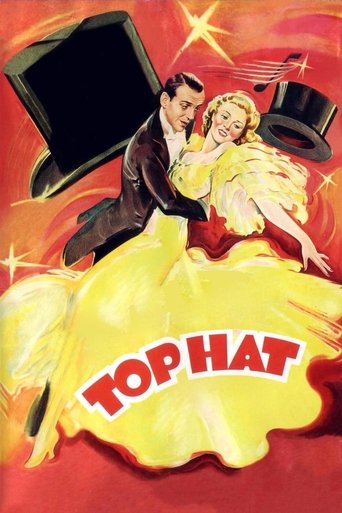
Top Hat
Screenplay
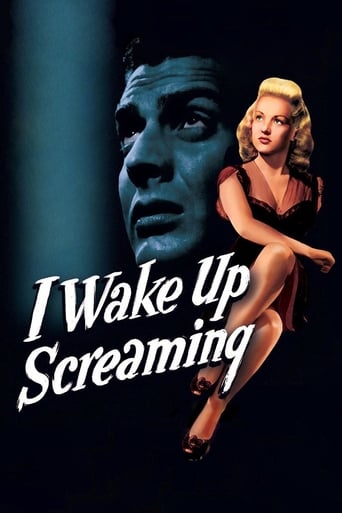
I Wake Up Screaming
Screenplay
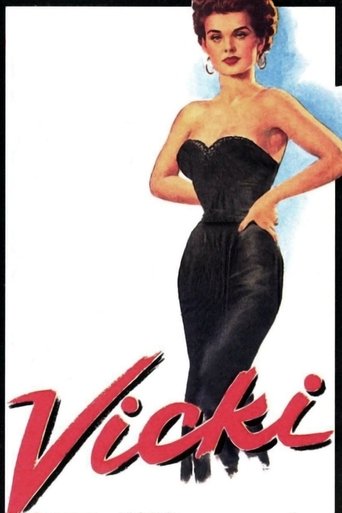
Vicki
Writer
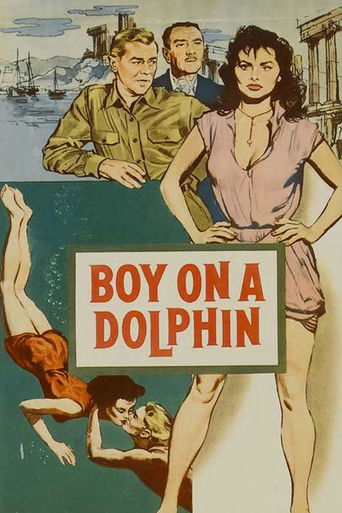
Boy on a Dolphin
Screenplay
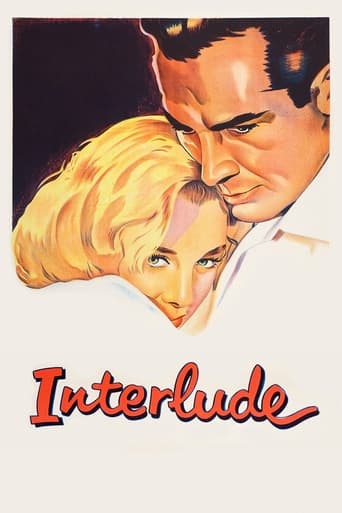
Interlude
Screenplay
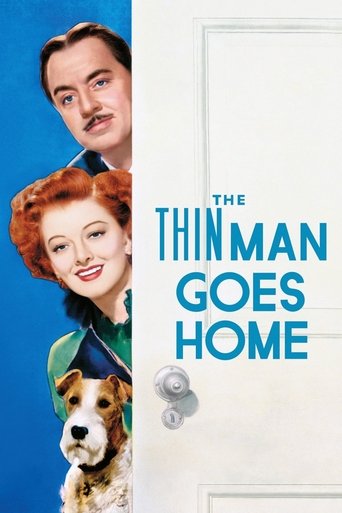
The Thin Man Goes Home
Screenplay
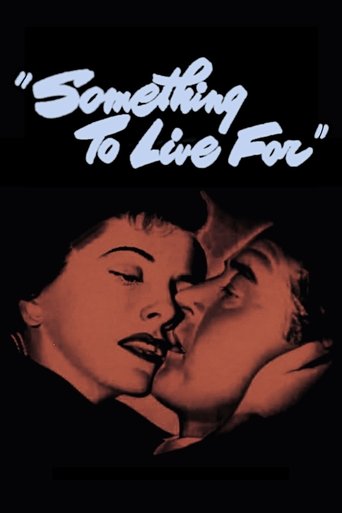
Something to Live For
Screenplay
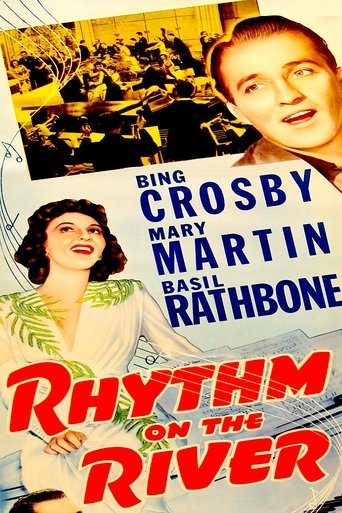
Rhythm on the River
Screenplay
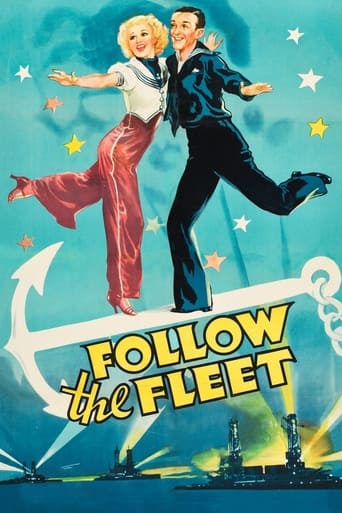
Follow the Fleet
Screenplay
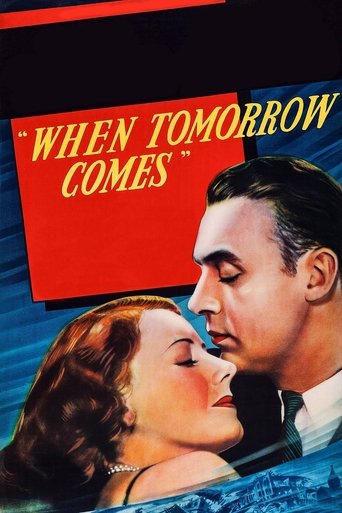
When Tomorrow Comes
Screenplay
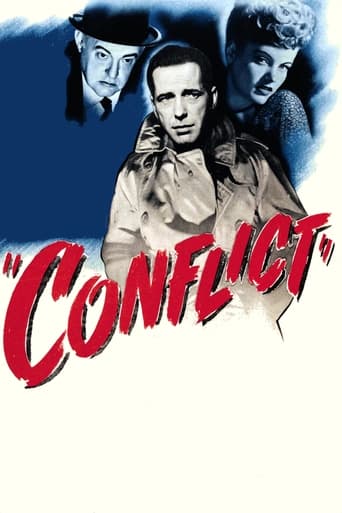
Conflict
Screenplay
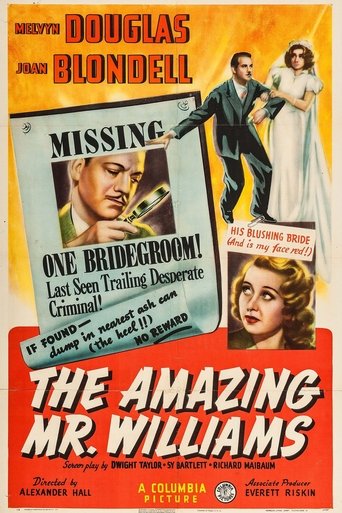
The Amazing Mr. Williams
Screenplay
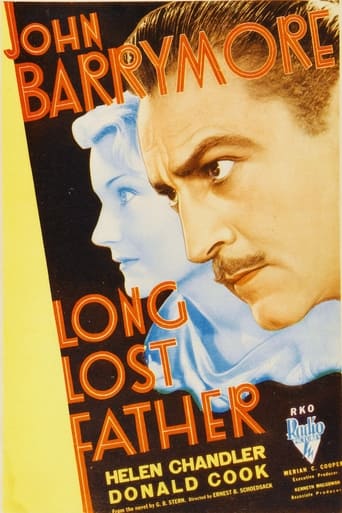
Long Lost Father
Screenplay
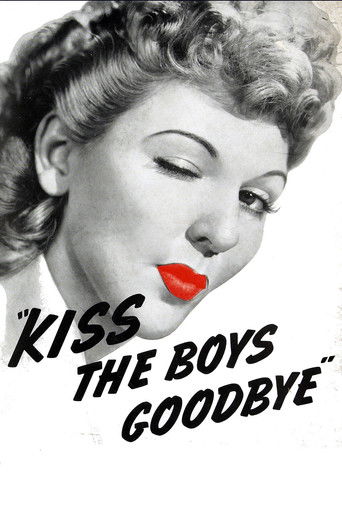
Kiss the Boys Goodbye
Screenplay

Special Delivery
Writer
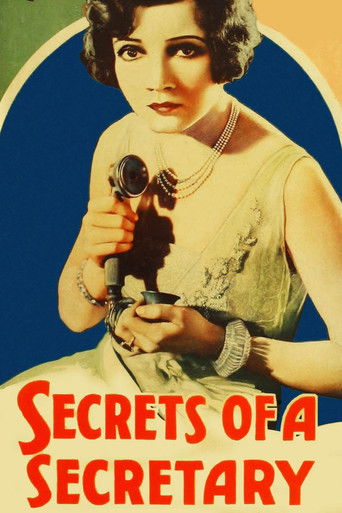
Secrets of a Secretary
Writer
Numbered Men
Writer
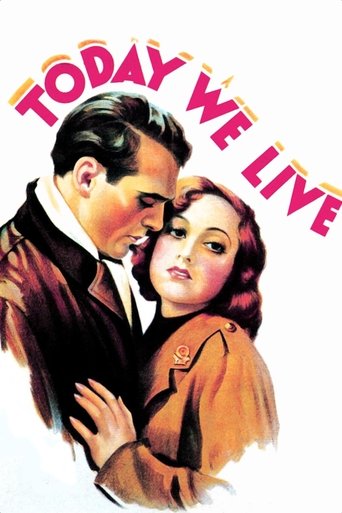
Today We Live
Screenplay
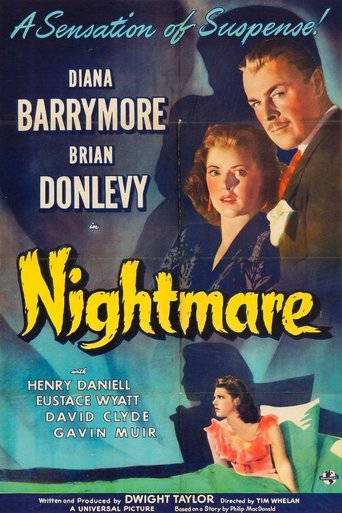
Nightmare
Screenplay
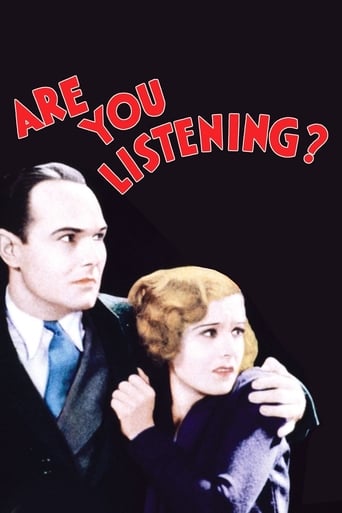
Are You Listening?
Writer
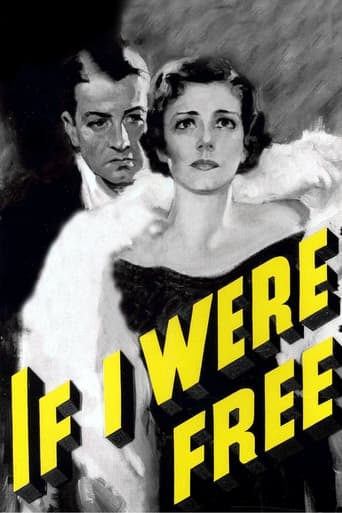
If I Were Free
Screenplay