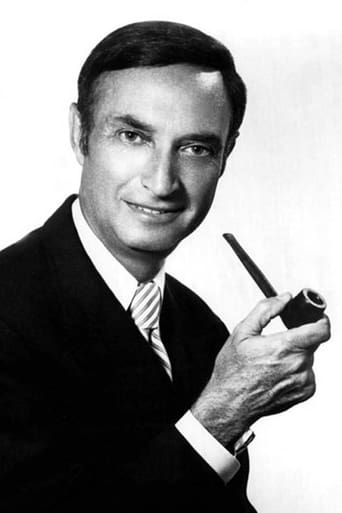
Melville Shavelson
WritingFrom Wikipedia, the free encyclopedia Melville Shavelson (April 1, 1917 – August 8, 2007) was an American film director, producer, screenwriter, and author. He was President of the Writers Guild of America, West (WGAw) from 1969 to 1971, 1979 to 1981, and 1985 to 1987. He came to Hollywood in 1938 as one of comedian Bob Hope's joke writers, a job he held for the next five years. He is responsible for the screenplays of such Hope films as The Princess and the Pirate (1944), Where There's Life (1947), The Great Lover (1949), and Sorrowful Jones (1949), which also starred Lucille Ball. Shavelson was nominated twice for Academy Awards for Best Original Screenplay -- first for 1955's The Seven Little Foys, starring Hope in a rare dramatic role, and then for 1958's Houseboat. He shared both nominations with Jack Rose. He also directed both films. Other films he wrote and directed include Beau James (1957), The Five Pennies (1959) for which he won a Screen Writers Guild Award, It Started in Naples (1960), On the Double (1961), The Pigeon That Took Rome (1962), A New Kind of Love (1963), Cast a Giant Shadow (1966), and Yours, Mine and Ours (1968), which starred Henry Fonda and again with Lucille Ball. The film, a comedy about a widow (Lucille Ball) and a widower (Henry Fonda) raising 18 children together. When Ms. Ball later asked Mr. Shavelson how he enjoyed directing her, The Associated Press reported, he replied, “Lucy, this is the first time I ever made a film with 19 children.” Ms. Ball was not amused. In addition to his film work, Shavelson created two Emmy award-winning television series and wrote for a dozen Academy Award shows. He also wrote,produced and co-directed the six-hour ABC screenplay to the 1979 television miniseries Ike about Dwight D. Eisenhower, based on the World War II exploits of Gen. Dwight Eisenhower. He also wrote, miniseries Ike, The War Years. Shavelson's autobiography, published by BearManor Media in April 2007, is entitled How to Succeed in Hollywood Without Really Trying, P.S. - You Can't! Shavelson wrote several other books, including, with Mr. Hope, “Don’t Shoot, It’s Only Me: Bob Hope’s Comedy History of the United States” (Putnam, 1990), and How to Make a Jewish Movie (1971), a memoir of his experiences while producing and directing Cast a Giant Shadow, and the Hollywood-themed novel Lualda (1973). Shavelson was a noted instructor at USC's Master of Professional Writing Program from 1998-2006. He taught screenwriting, who often cracked to his students, "I'm a writer by choice, a producer by necessity and a director in self-defense." Shavelson's first wife, Lucille, died in 2000. He was married to his second wife, Ruth Florea, from 2001 until his death in 2007. He had two children, Lynne Joiner and Richard Shavelson. Description above from the Wikipedia article Melville Shavelson, licensed under CC-BY-SA, full list of contributors on Wikipedia.
Known For
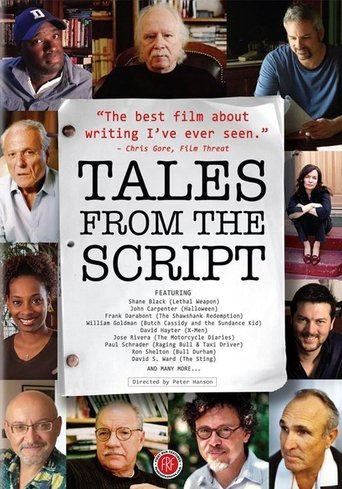

Filmography — Acting
Filmography — Crew
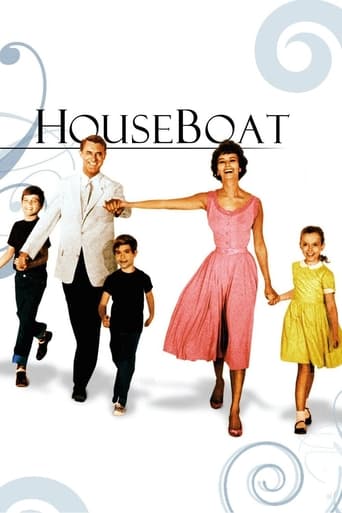
Houseboat
Director
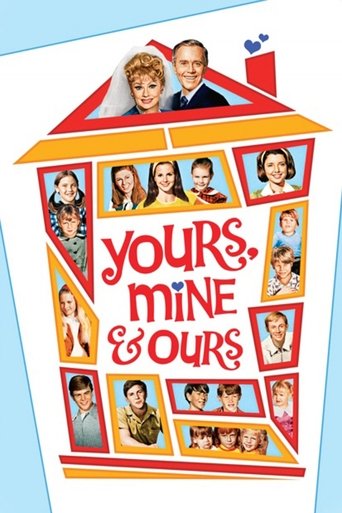
Yours, Mine and Ours
Director
Deceptions
Writer
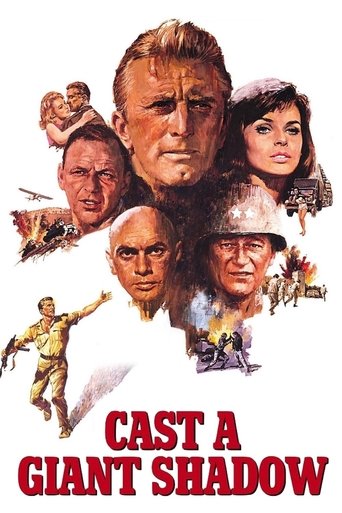
Cast a Giant Shadow
Director
The Great Houdinis
Director

It Started in Naples
Director

April in Paris
Writer
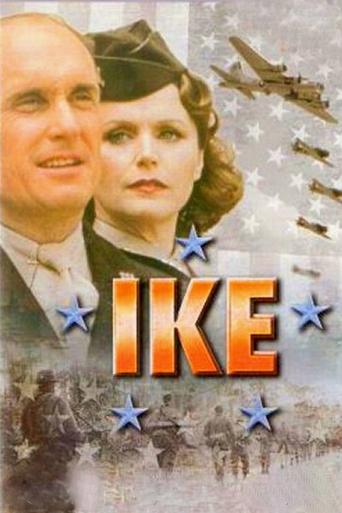
Ike
Writer
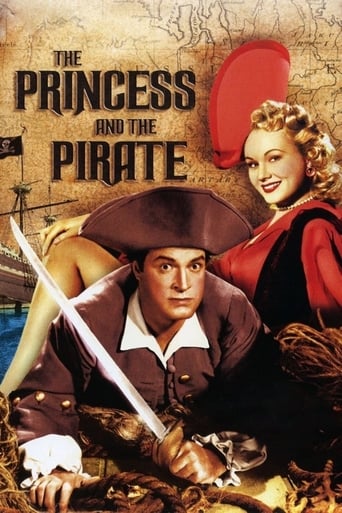
The Princess and the Pirate
Screenplay
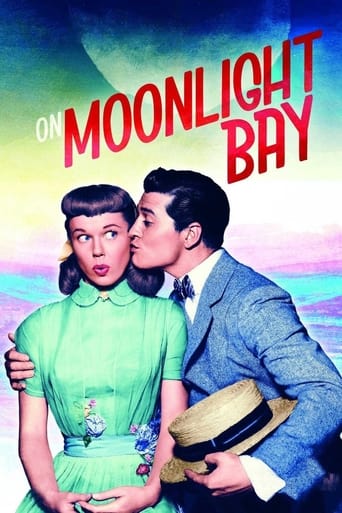
On Moonlight Bay
Screenplay
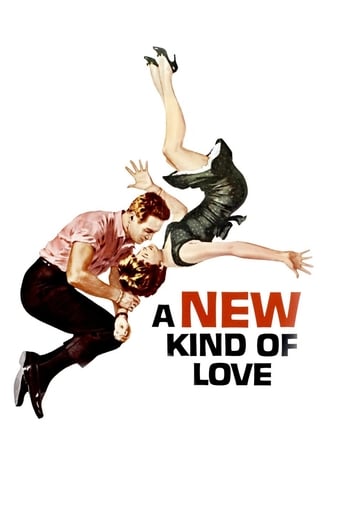
A New Kind of Love
Writer
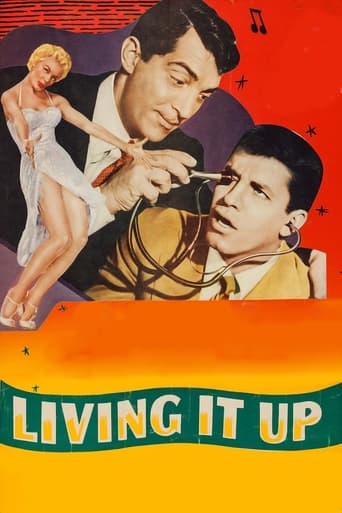
Living It Up
Screenplay
Rainbow
Director
Wonder Man
Screenplay
Trouble Along the Way
Screenplay
The Five Pennies
Director
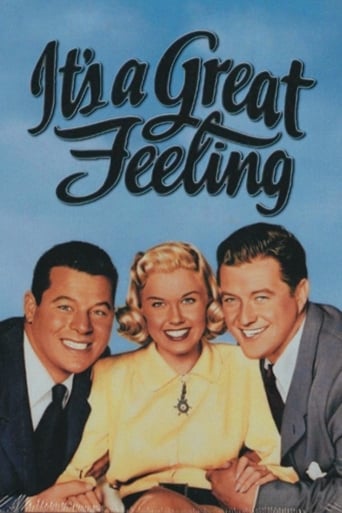
It's a Great Feeling
Writer
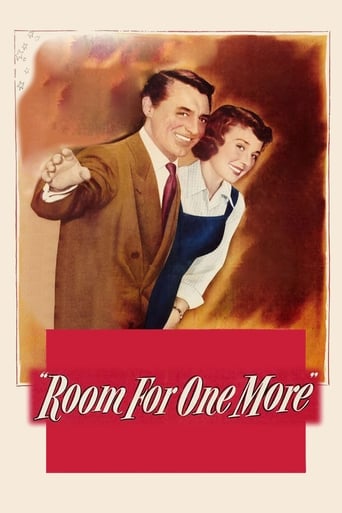
Room for One More
Screenplay
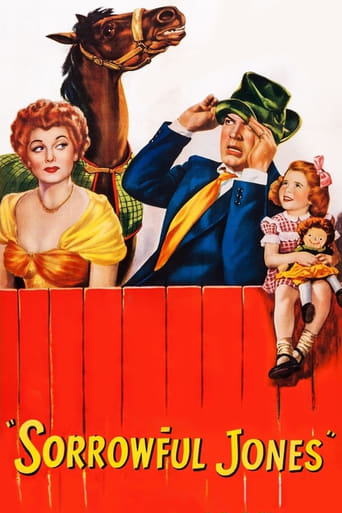
Sorrowful Jones
Screenplay
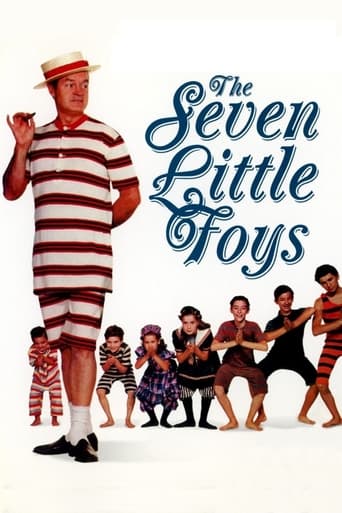
The Seven Little Foys
Writer
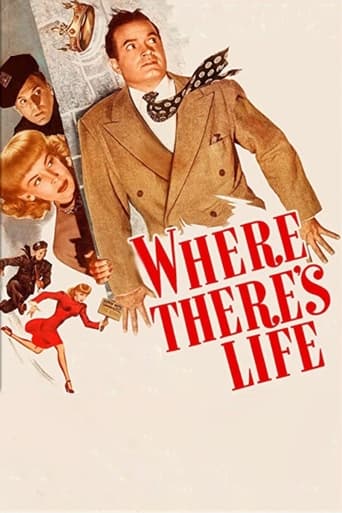
Where There's Life
Screenplay
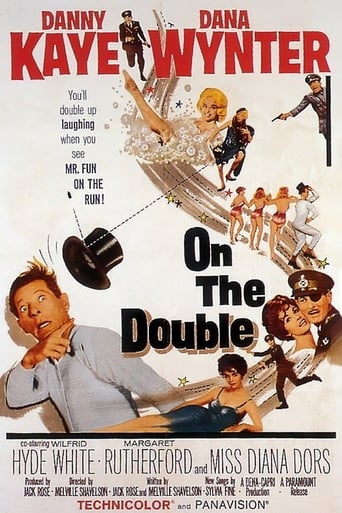
On the Double
Director
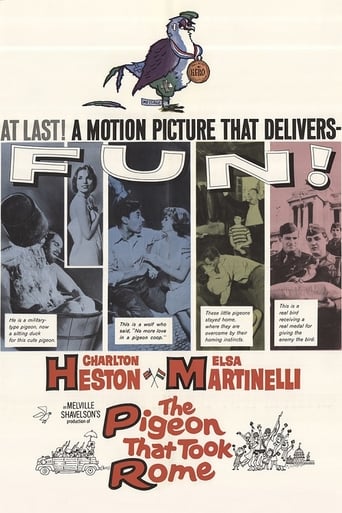
The Pigeon That Took Rome
Writer
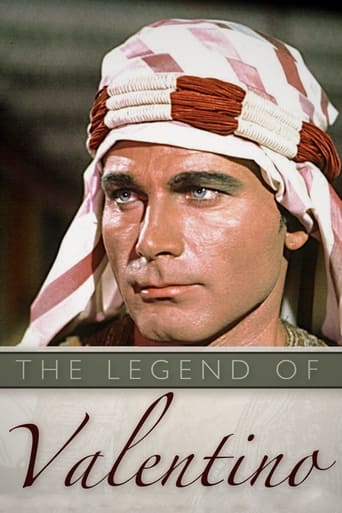
The Legend of Valentino
Director
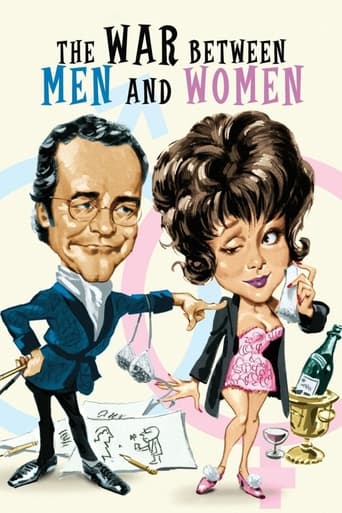
The War Between Men and Women
Director
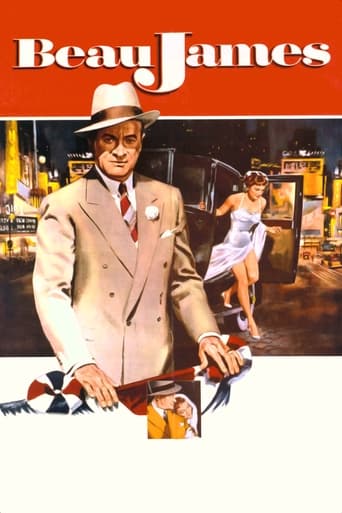
Beau James
Director
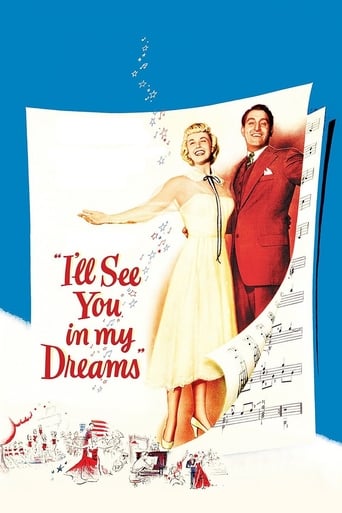
I'll See You in My Dreams
Writer
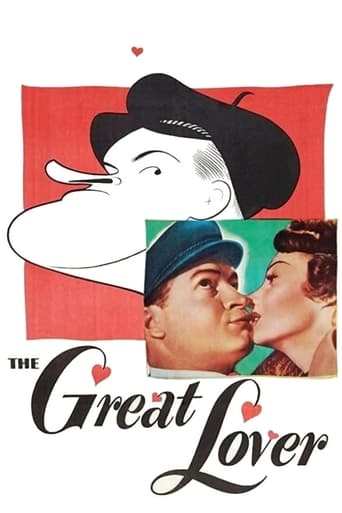
The Great Lover
Writer

The Daughter of Rosie O'Grady
Screenplay

Mixed Company
Director
The Other Woman
Director

Double Dynamite
Screenplay
Always Leave Them Laughing
Screenplay
Hollywood Victory Caravan
Writer
Here Comes the Judge
Director